


भारत में तपस्या और आध्यात्मिकता: आंतरिक सफ़र की गहराई #latest #viral #hindi
भारत, एक समृद्ध सांस्कृतिक विरासत की धरती, लम्बे समय से तपस्या और आध्यात्मिकता के संबंध में जानी जाती है। प्राचीन...
Read moreDetailsभारत, एक समृद्ध सांस्कृतिक विरासत की धरती, लम्बे समय से तपस्या और आध्यात्मिकता के संबंध में जानी जाती है। प्राचीन...
Read moreDetailsThe Middle East is once again at the centre of a global storm. What began as strategic hostility and ideological...
Read moreDetailsIt started with a spool of cotton fabric in a Delhi wholesale market, destined for the shelves of a European...
Read moreDetailsI. The Silence Between Two Capitals For over a decade, the corridors of Washington and Damascus have remained eerily disconnected...
Read moreDetailsAt 1:32 a.m. on 11 January 1966, in a quiet suburban villa in Tashkent (then in the Soviet-Union), India’s Prime...
Read moreDetailsA Moment of Momentum After five intensive days of negotiations in Auckland and Rotorua, the fourth round of the India–New...
Read moreDetailsSnow blankets the still-lit town of Winterlight, Vermont—an idyllic postcard of fir-trees and small-town charm. But beneath the glow of...
Read moreDetailsThe classroom in a far-flung village in South India now receives curriculum content via a smartphone app; a retired civil-servant...
Read moreDetailsभारत, एक समृद्ध सांस्कृतिक विरासत की धरती, लम्बे समय से तपस्या और आध्यात्मिकता के संबंध में जानी जाती है। प्राचीन...
Read moreDetailsThe Middle East is once again at the centre of a global storm. What began as strategic hostility and ideological...
Read moreDetailsIt started with a spool of cotton fabric in a Delhi wholesale market, destined for the shelves of a European...
Read moreDetailsI. The Silence Between Two Capitals For over a decade, the corridors of Washington and Damascus have remained eerily disconnected...
Read moreDetailsAt 1:32 a.m. on 11 January 1966, in a quiet suburban villa in Tashkent (then in the Soviet-Union), India’s Prime...
Read moreDetailsA Moment of Momentum After five intensive days of negotiations in Auckland and Rotorua, the fourth round of the India–New...
Read moreDetailsSnow blankets the still-lit town of Winterlight, Vermont—an idyllic postcard of fir-trees and small-town charm. But beneath the glow of...
Read moreDetailsThe classroom in a far-flung village in South India now receives curriculum content via a smartphone app; a retired civil-servant...
Read moreDetails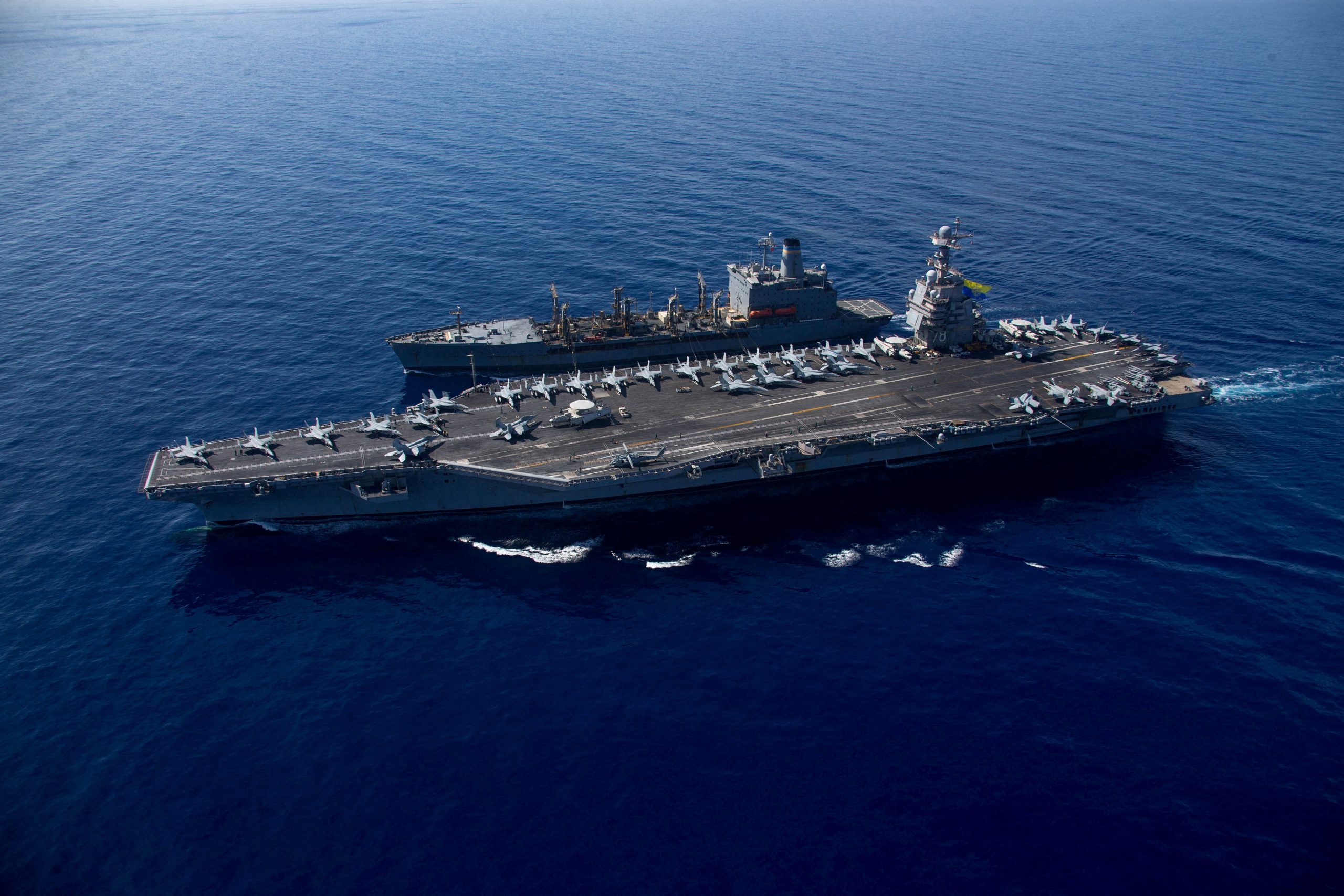
The Middle East is once again at the centre of a global storm. What began as strategic hostility and ideological rivalry has now transformed into a full-scale military confrontation involving Iran, the United States, and Israel. The question no longer revolves around whether tensions exist—it is about how far this conflict can go, and whether the world is witnessing the early tremors of a much larger war.
From precision airstrikes to drone warfare, from oil chokepoints to cyber operations, this conflict has rapidly evolved into one of the most complex geopolitical crises of the 21st century. Beneath the surface lies a fragile global order, where a single miscalculation could have consequences far beyond the Middle East.
The roots of this confrontation go back decades. The United States and Iran have remained adversaries since the 1979 Islamic Revolution, which dismantled a pro-Western regime and replaced it with a theocratic system deeply critical of American influence. The hostage crisis that followed hardened this divide into long-term hostility.
Israel’s conflict with Iran is equally entrenched. Since 1979, Iran has refused to recognize Israel’s legitimacy, while Israel has consistently viewed Iran’s military ambitions—especially its nuclear program—as an existential threat. Over the years, this rivalry played out indirectly through proxy conflicts in Lebanon, Syria, and Gaza.
These faultlines laid the groundwork for a confrontation that, while often hidden, never truly subsided.
The current war took a decisive turn on February 28, 2026, when the United States and Israel launched coordinated airstrikes on Iranian military infrastructure, nuclear facilities, and leadership targets. The operation resulted in the death of Iran’s Supreme Leader and several top officials, marking an unprecedented escalation.
Iran responded with massive retaliation—launching hundreds of ballistic missiles and drones targeting Israel, U.S. bases, and allied nations across the Gulf.
What followed was not a limited skirmish, but a multi-front war stretching across the region. Missile strikes hit urban areas, oil facilities, and military installations. Civilian casualties began to rise, and airspace closures disrupted international travel.
Unlike traditional wars, this conflict does not have clearly defined battlefields. It is being fought across multiple domains:
In Yemen, Houthi rebels aligned with Iran have launched missiles toward Israel, expanding the conflict further.
Experts describe this as a “hybrid war”—one where conventional and unconventional tactics merge, making escalation unpredictable.
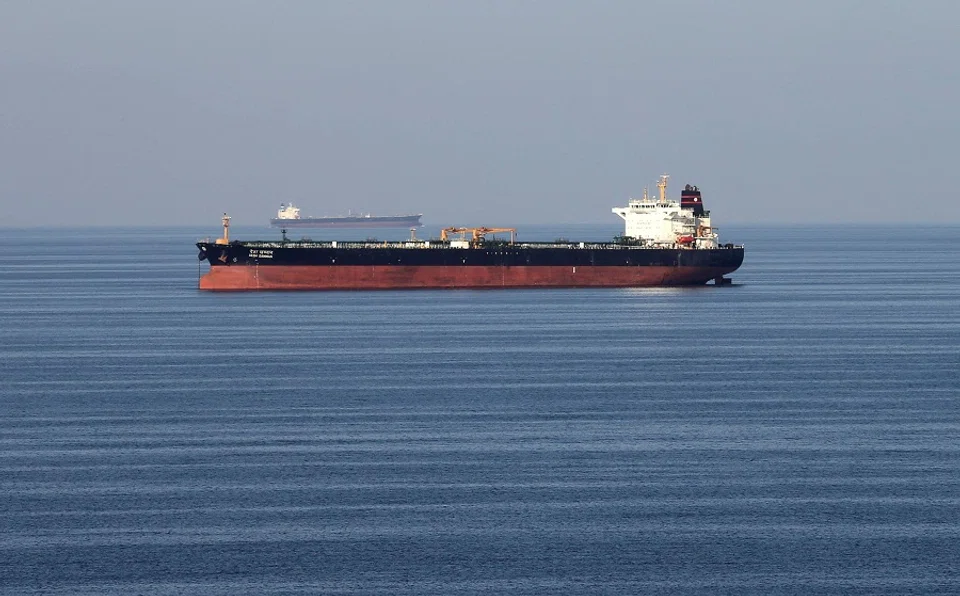
One of the most critical dimensions of this conflict is energy security. The Strait of Hormuz, through which nearly one-fifth of global oil passes, has become a flashpoint. Disruptions here have already begun affecting global supply chains.
Reports indicate that oil and LNG supplies are under severe threat, with prices surging across global markets.
In the United States, fuel prices have risen sharply, impacting households and businesses alike.
For countries like India, which rely heavily on imported oil, the implications are immediate—higher fuel costs, inflationary pressure, and economic instability.
The United States and Israel possess overwhelming technological superiority—advanced fighter jets, missile defence systems, and intelligence capabilities. Israel’s precision strike capabilities and America’s global military reach provide a formidable advantage.
However, Iran’s strength lies in asymmetry. Its arsenal includes ballistic missiles, drones, and a network of allied militias across the region. This allows Tehran to stretch the conflict beyond conventional boundaries.
Despite thousands of airstrikes, Iran has shown resilience, adapting its tactics and prolonging the conflict.
This balance—technology versus endurance—has made the war far more complicated than initial expectations.
Hospitals are overwhelmed. Supply chains for food and medicine are disrupted. For ordinary people, geopolitics translates into survival.
History has shown that wars in this region rarely remain confined. The humanitarian fallout often spreads far beyond national borders.
This is no longer a three-country conflict. Regional and global powers are increasingly involved:
Meanwhile, international institutions have struggled to contain the crisis. Diplomatic efforts continue, but trust deficits remain high.
Strategic analysts remain divided. Some argue that while the conflict is severe, it lacks the global alliances required for a world war. Others warn that escalation pathways are real and dangerous.
One key concern is the possibility of miscalculation—an unintended strike, a misinterpreted signal, or a cyberattack gone too far.
Economic analysts have also raised alarms. Rising energy costs and financial instability could trigger broader global disruptions, affecting industries far removed from the battlefield.
The consensus among experts is cautious: this is not yet a world war, but it carries the ingredients of one.
The war has entered a phase where neither side has achieved decisive victory. Continuous strikes, retaliations, and strategic positioning define the current landscape.
Iran continues to target U.S. and allied infrastructure. Israel remains on high alert under constant missile threat. The United States, despite its firepower, faces a prolonged engagement.
This is not a quick war. It is evolving into a sustained conflict with global consequences.
Looking ahead, three scenarios emerge:
1. Controlled Escalation:
The conflict continues at current intensity, with periodic flare-ups but no full-scale expansion.
2. Regional War Expansion:
More countries get directly involved, turning the Middle East into a large-scale battlefield.
3. Global Confrontation:
Major powers enter the conflict, transforming it into a broader international war.
Each scenario carries significant risks—not just for the region, but for the world.
The Iran–USA–Israel conflict is not just another regional war. It is a stress test for the global order. It exposes the fragility of diplomacy, the limits of military power, and the interconnectedness of modern economies.
Whether this becomes the prelude to a larger global conflict depends on decisions being made in real time—inside war rooms, diplomatic corridors, and intelligence agencies.
For now, the world watches. And waits.
भारत, एक समृद्ध सांस्कृतिक विरासत की धरती, लम्बे समय से तपस्या और आध्यात्मिकता के संबंध में जानी जाती है। प्राचीन...
Read moreDetailsThe Middle East is once again at the centre of a global storm. What began as strategic hostility and ideological...
Read moreDetailsIt started with a spool of cotton fabric in a Delhi wholesale market, destined for the shelves of a European...
Read moreDetailsI. The Silence Between Two Capitals For over a decade, the corridors of Washington and Damascus have remained eerily disconnected...
Read moreDetailsAt 1:32 a.m. on 11 January 1966, in a quiet suburban villa in Tashkent (then in the Soviet-Union), India’s Prime...
Read moreDetailsA Moment of Momentum After five intensive days of negotiations in Auckland and Rotorua, the fourth round of the India–New...
Read moreDetailsSnow blankets the still-lit town of Winterlight, Vermont—an idyllic postcard of fir-trees and small-town charm. But beneath the glow of...
Read moreDetailsThe classroom in a far-flung village in South India now receives curriculum content via a smartphone app; a retired civil-servant...
Read moreDetails
Copyright © 2022-26 Myselfindia.com


